Joshua Pelletier

Enough can be said about the age of social media as well as this new digital age. Companies along with the top brands out there compete trying to reach the masses through various channels and platforms. In doing so creating content that matches the likes and wants of their target audiences. It seems like you cannot go online anymore without companies making this content and plugging it on our social media pages while we are trying to stay up to date with friends and family.
However, companies think they need to continuously need to make content to please their customers and get them in stores or to purchase products from an ecommerce site. In reality, sometimes it is the simpler things that consumers want that does not involve seeing content. A success story comes from a social networking site called Orkut.
No Content Needed!
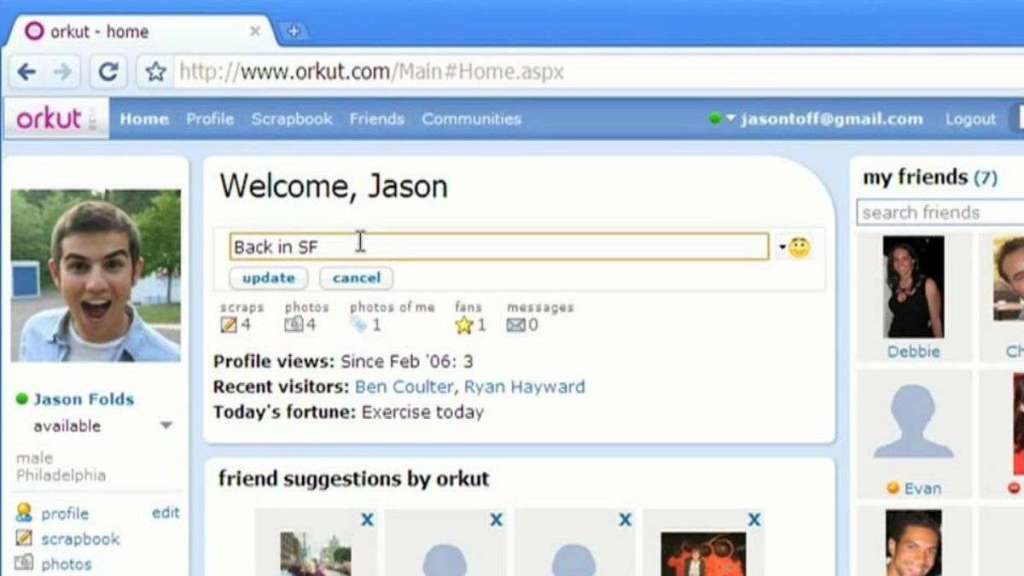
If I were to tell you that we would be talking about a social networking site that did not live long, only surviving for 10 years as a tool for success, I could be getting some mixed reactions. However, Orkut did serve as a social networking site that proved wonders in the country of Brazil.
The site was created by a Google employee, Orkut Büyükkökten. The purpose of the sight was to connect people within communities and using keywords in the search bar such as titles and descriptions. Quickly, the amount of users of the site rose creating communities over 50,000 in its first four months, then to 1.5 million within the year. The app created prestige, creating an invite only membership for the site.
Why did it work?
So the site seems just to be a page people come together and chat, however, it was much more than that. With the site being easy to use and navigate through, joining a community on the site was simple and users can join at ease. With an example and explanation through a case study saying
Orkut’s interface was clean, simple and sophisticated, making it easy for users to navigate and join communities. Friends could rate other users based on how sexy, cool and trustworthy they found each other (Recuero, 2011). This competition element spread into the number of friends and the largest communities on the site. In addition, there were many reasons for its popularity, beyond the ability to connect.
Mahoney, Tang 191
In a way you can compare this to combination of Facebook, and Myspace mostly during the early 2010s. However, they were on to something here. Users would share experiences and recommendations on products through the site which is what made it a hit in Brazil, as the users had trusted sources they can go to instead of going to a third party site that can make up anything for you to get to buy.
What Happened?
Discussed above the site eventually faced its demise and shut down in the fall of 2014. And the demise was simple to understand. They changed their identity and the site stopped being simple. As well started limiting the amount of friends a user can have and difficulty in loading screens and photo sharing can attest to the issues they had. Once the site stopped providing the needs of consumers, the site was no longer needed and shut down for good.
Lessons Learned
In cases like this it is simple, human connection is key to marketing. Why create content and try to gain followers through that when sometimes the answer is through human connections. A site or place where consumers can come together and through this you get organic marketing as fans or normal users can attest to the brand giving customers their opinions and help promote the product. Through this, marketing comes easier and cheaper because you have your customers doing the marketing for you through word of mouth.
Your message has been sent









 Josh's Views
Leave a comment